
 You are here:
A Brief Discussion on Energy Conservation
A Brief Discussion on Energy Conservation
Within the total energy consumption of building envelopes, the energy consumption associated with building doors and windows accounts for 49%

The Role of Energy-Saving Doors and Windows in Energy-Saving Systems
Building doors and windows represent the weakest link in a building's thermal insulation performance. As people's living standards continue to improve, indoor cooling and heating methods are becoming increasingly common to create a comfortable living environment. As one of the surface enclosures of a building, doors and windows directly affect the building's energy efficiency. Enhancing the thermal insulation performance of doors and windows is a primary approach to ensuring building energy consumption. Currently, energy-saving doors and windows are receiving growing attention in building energy conservation.

A truly energy-efficient system
A truly energy-efficient system window and door is not merely the adoption of individual energy-saving materials such as thermal break aluminum profiles or Low-E insulating glass. Instead, it represents a perfect integration of an entire system, resulting from the comprehensive performance of all its components, where each element is indispensable. When evaluating whether building windows and doors are energy-efficient, three primary factors should be considered: heat convection, heat conduction, and heat radiation.
- Heat loss occurs through the gaps in doors and windows via the cyclic flow of hot and cold air, resulting in heat exchange through gas convection, which leads to heat loss;
- Heat conduction, on the other hand, is the transfer of heat through the molecular motion of the materials themselves used in windows and doors, passing through one surface of the material to another, resulting in heat loss;
- Radiation is primarily transmitted directly in the form of rays, resulting in energy loss.
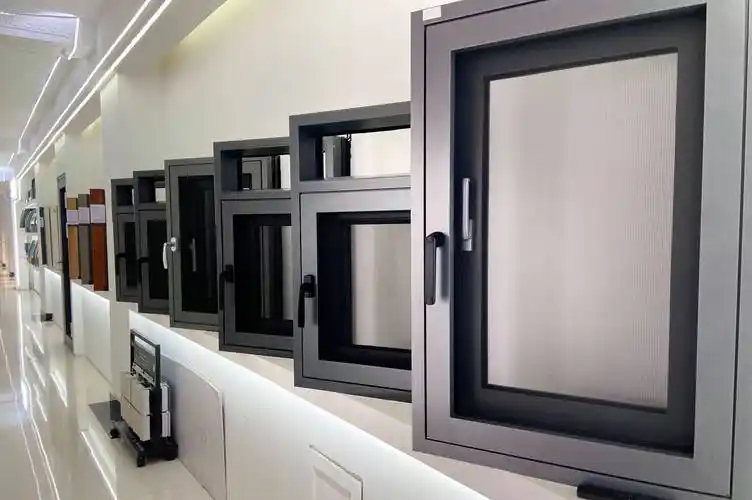
Design and Selection of Profiles
First, select profiles made of different materials, as their performance varies primarily due to differences in thermal conductivity, which determines the energy consumption of doors and windows. When selecting a material, the design of the profile cross-section is also extremely important. If the thermal break strips on the door frame and sash profiles are not on the same side (either towards the outdoor or indoor side), after installing the hardware accessories, the indoor and outdoor profiles are connected together through metal hardware accessories bypassing the thermal break strips. This allows heat to conduct rapidly, affecting the energy efficiency performance of the doors and windows, etc.

Selection of Glass
We know that energy loss is primarily caused by three factors: convection, conduction, and radiation. Glass mainly loses energy through thermal radiation, so when selecting building window and door glass to ensure overall building energy efficiency, it is necessary to choose glass appropriately. Take southern regions as an example; these areas belong to hot-summer and warm-winter zones with longer high-temperature periods. Therefore, glass selection for these regions should not prioritize light-transmitting transparent glass as in severely cold regions. Instead, glass with low thermal reflectivity, such as heat-reflective coated insulating glass and Low-E insulating glass, should be selected. To meet the needs of buildings in different regions, glass with corresponding heat transfer coefficients and shading coefficients should be chosen.
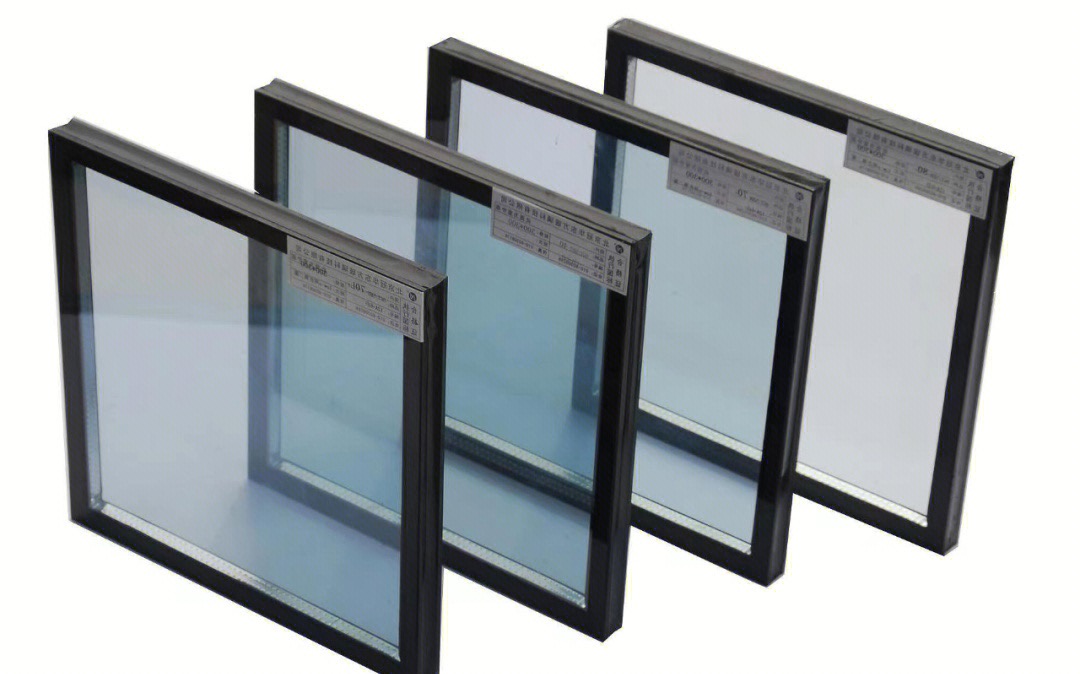
Correct assembly
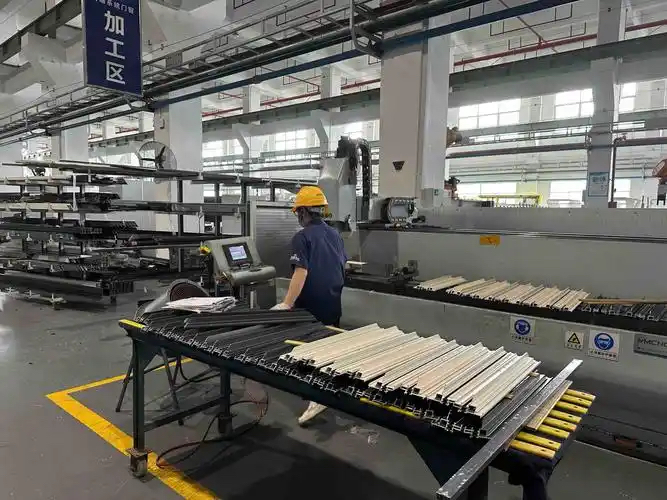
The previous points outline the requirements for several groups of components in doors and windows. Selecting components appropriately is important, but correctly and reasonably combining multiple components into a system is what constitutes a complete energy-efficient door and window. Therefore, door and window assembly factories with capabilities and experience are also crucial.
 Previous Article
 This is the last article.